Measurement & MMM
We use marketing mix modeling to beat last-click attribution bias
Trusted by Leading Brands










With Advize on measurement, your budget follows real impact
Everything Advize brings to your growth engine
Creative, media and conversion — working as one system.
Attribution Auditing
We check whether last-click is over-crediting your channels
- Platform ROAS versus revenue checks
- Last-click bias identification
- Attribution window analysis
- Blended versus platform ROAS reconciliation
- Real credit, not inflated credit

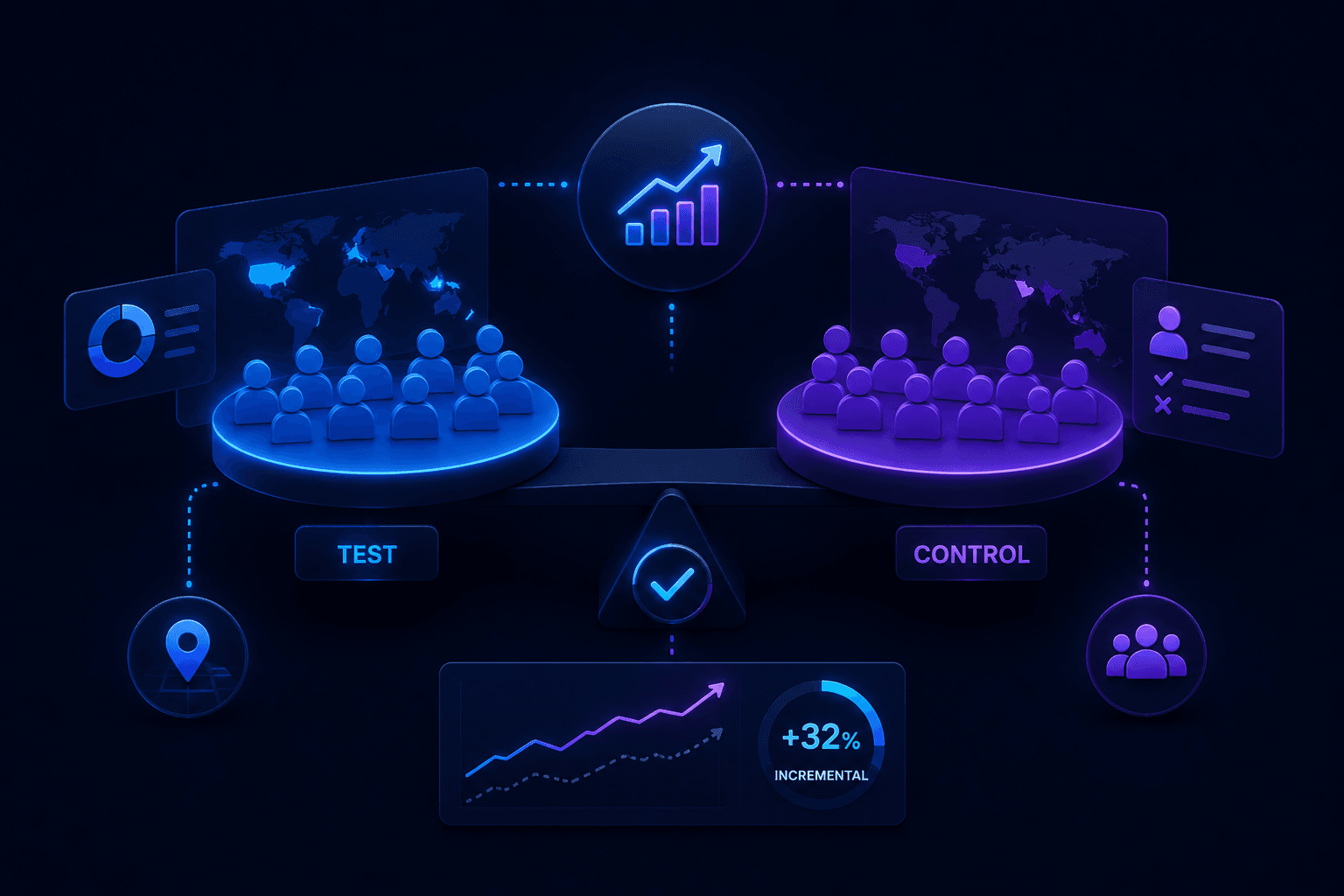
Incrementality Testing
We test whether spend is creating demand or just capturing it
- Holdout and geo testing
- New versus existing customer splits
- Channel-level incrementality checks
- Budget tied to genuinely new sales
- Fewer dollars mopping up existing demand
Marketing Mix Modeling
We measure total sales impact across every channel
- Cross-channel sales impact modeling
- Offline and brand effect measurement
- Minimum 2 years historical data used
- Seasonality and long-term trends captured
- One model instead of siloed platform reports

Halo Effect Analysis
We measure how Meta spend lifts other channels
- Cross-channel lift measurement
- Meta impact on branded search tracked
- Channel interaction effects modeled
- Credit assigned beyond last click
- Full picture of what Meta actually drives

Cross-Platform Reconciliation
We align GA4, Shopify, and ad platform numbers
- GA4 and Shopify data reconciliation
- Platform-reported ROAS validation
- Single source of truth for revenue
- Conversion credit discrepancies resolved
- Decisions based on real numbers

Budget Reallocation Reporting
We turn model findings into clear budget moves
- Channel-level budget recommendations
- True MER reporting across channels
- Reallocation tied to incremental impact
- Ongoing model updates as spend shifts
- Confidence in every budget decision

Want us to run your marketing?
Hand the execution to Advize. Our team runs the research, creative production and media optimization end-to-end on the same platform — so you get the outcomes without adding headcount.
How we turn measurement data into confident budget decisions
We use MMM and incrementality testing to find what actually drives sales
For D2C & E-Comm Brands
- —Platform ROAS versus Shopify revenue gaps
- —Meta halo effect on branded search
- —Blended MER across every channel
- —New versus repeat customer attribution
- —Budget shifts validated before scaling
For B2B & Lead Generation
- —Pipeline-influenced channel attribution
- —Multi-touch B2B buying cycle modeling
- —Lead source credit reconciliation
- —Long sales cycle incrementality checks
- —Marketing contribution proven to revenue
For Retail Brands
- —Online and offline sales impact combined
- —Regional media mix effectiveness
- —Cross-channel campaign lift measurement
- —Store traffic linked to digital spend
- —True channel contribution to total sales
Stop budgeting on inflated ROAS
See what a real model reveals about your channels on a strategy call
Frequently Asked Questions
Attribution modeling assigns credit within digital touchpoints you can track. Marketing mix modeling measures total sales impact across every channel, including offline and brand effects attribution misses entirely.
MMM has traditionally been slow and enterprise-only. We run a version built for growth-stage brands, so mid-sized budgets get the same clarity without the multi-quarter timeline.
Platforms report ROAS based on their own attribution windows and click models, which tend to inflate credit. We reconcile platform data against your actual revenue to show the real number.
We typically need a minimum of 2 years of historical data to build a reliable model, since shorter windows miss seasonality and long-term channel effects.
Sometimes, and that's the point. If a channel's last-click ROAS looks strong but isn't driving incremental sales, the model shows it, so budget moves to what's genuinely working.
Yes, alongside marketing platform data, since the model is only as accurate as the real revenue figures it's reconciled against.
The model is refreshed on a regular cycle as new spend and revenue data come in, so recommendations reflect current channel performance, not a stale snapshot.
It complements rather than replaces click-based attribution tools, since MMM answers a different question, total channel impact, that click tracking alone can't measure.
Yes. Offline and retail revenue can be incorporated into the model, which is one of the advantages MMM has over attribution tools limited to digital touchpoints.
The model is rebuilt to reflect the new mix, since a significant shift in spend allocation changes the relationships the model is measuring.